THE KKK AND THE ART OF TACOMA MAINTENANCE

The second I crack the door of Gary’s old Ford truck, the stench of dog shit and cat urine slaps me in the nostrils.

“Pick you up at four,” he says.

I pinch my nose, thank him and shut his door, then hike up to the gate amidst the cacophony of some thirty-odd dogs snarling and gnashing their teeth in cages. When I enter the lobby, the pungency of feces and ammonia is worse. Before I can shut the front door, the director limps out of his office.

“You must be Ford,” he says, thrusting his left hand at me.

“Yes, sir,” I say and shake it. He’s wearing khaki cargo shorts and a purple aloha shirt with white flowers. My eyes dart to his mangled right hand loosely hanging beneath his wrist. He notices that I notice.

“Dog attack,” he squints at me. “Name’s Leotis, but you can go ahead and call me Oat. Paperwork says we got you here for two weeks.”

I’ve been court-ordered to complete forty-eight hours of community service. Given the choice between picking up trash along Highway 65 or cleaning animal cages at the Ozarks Humane Society, I chose to clean animal cages at OHS.

“Let’s get you lined out for the day,” Oat says.

He assigns me the task of disassembling several outdoor chain-link kennels near the rear of the compound. It’s an easy job that will probably take me all week to complete, so I get right to it once Oat leaves me alone. 

About three hours later, while working a crescent wrench on one of the corroded aluminum posts, my peripheral vision catches some movement at the base of a neighboring white oak. I jump a bit when I see it. A four-foot black rat snake. I immediately abandon my post and go looking for help. I find Amanda inside cleaning the cat cages.

“What y’all do about snakes out there?” I thumb over my shoulder.

Amanda grins and waves for me to follow her. She retrieves a serrated steak knife from the breakroom, then curls her finger at me.  I follow her back outside.

We find the snake amongst some tall weeds near the kennel I was working on. Amanda, wearing knee-high rubber boots, immediately begins stomping on it. The slithery rascal hisses and strikes the front of her boot. Amanda doesn’t so much as flinch. Once she gets a good boot hold, she quickly stoops down and starts stabbing with the knife. With a few jerky strokes, she cuts the snake’s head clean off. Then, as the dismembered body continues writhing, she spears the snake’s head and holds it up for me to see, its jaws still opening and closing. Amanda reaches down, picks up the snake’s body by its tail, and takes it to show Becky and Bobby, who are pressure washing the indoor dog kennels. There, Amanda guts the snake, finds a half-digested mouse inside, stabs it with the steak knife, then returns to where I am.

“Hungry?” she asks. I don’t have a chance to stutter before she walks off and tosses all the carnage into the woods. She wipes her hands on her jeans and walks back to the cat cages. I go back to my outdoor dog kennels.

By lunchtime I work up several pasty layers of stink, my clothes sticking to my skin like moist paper mâché. I can’t bring myself to eat anything in that disgusting breakroom, only to cool off and let my clothes get half dry and stiff, then dive back into that beastly heat again. So, I sit outside in the smoking area with the flies and mosquitoes, flipping through the copy of Tiny House Magazine I brought with me.

Oat walks out the sliding glass door of the breakroom, searching for somebody. He’s gripping a large stack of papers in his left hand. He sees me sitting under the shade of the gazebo and walks over.

“Hope you don’t mind I did a bit of Googling,” he says.

“S’cuse me?”

“Found out you got a background in publishin’.”

I nod my head.

“I’ll cut to the chase,” Oat shakes the stack of papers at me. “I got this here manuscript you might be interested in.”

I can tell Oat wants me to inquire about it, which—considering the current circumstances—I don’t feel comfortable doing. But he continues leaning in, raising his eyebrows at me.

“What’s it about?” I surrender.

“Well, it involves pet adoption,” he says, “with a little bit of S and M thrown in there.”

“S and M?”

“Just some light-hearted bondage stuff to spice things up.”

“Gotcha.”

“Nothing to do with the animals, of course,” he shakes his creased forehead at me as if I have naturally assumed—being the “outsider” I am—that such a thing would be a normal occurrence, considering the den of iniquity I originally hailed from. “No sir, all that stuff’s between the owners,” he says, squinting at me again.

“Fiction?”

“Oh no, it’s all true,” Oat frowns. “It’s a bit complicated, so how about we discuss it later? Just swing by my office at the end of your day, alright? Won’t take long.” He nods, does an about-face, and marches back to the building.

As the day drags on, the humidity intensifies the noxious odor of the facility. It soaks into the fabric of my clothes, the pores of my skin. At quitting time, Gary’s waiting for me in the parking lot. As soon as I shut his truck’s door, he gags.

“Sweet screamin’ Jesus!”

“That’s the most disgusting place I’ve ever been,” I tell him.

Gary tells me to roll down my damn window, then hits the gas as he pulls his shirt collar over his nose. Minutes later, he drops me off at my small apartment complex that sits next to a poison ivy-lined ditch filled with rusted tricycles and broken furniture.

“Thanks again,” I say.

“You may have to power warsh my damn seat,” he says. “Pick you up for church tonight?”

“Guess so,” I say. Gary gives me a two-finger salute and drives off.

My Apartment in Harrison, Arkansas

As soon as I shut my apartment door, I peel off my clothes and hop in the shower. Once toweled off and clothed, I stuff my pile of filthy laundry into a plastic Walmart bag and toss it onto my front stoop, or it’ll stink up my entire 400 square feet. I crank down the AC unit hanging in the window to its lowest setting, then start shuffling through my pantry. I can still pick up the stench of OHS on me.

I close the blinds in my tiny living room and flop into my old leather loveseat with a bag of Funyuns, anticipating a new episode of South Park, when a text message lights up my iPhone. I pick it up from the coffee table and thumb it open.

My Apartment in Harrison, Arkansas

It’s from Caleb. Haven’t heard from him in months.

Do you know where you live? He sends.

Of course I know where I live, what a weird question. Last I knew, he was growing weed in Fresno, California. Maybe he’s high.

What you talkin’ about, Willis? I send.

He responds with a link to a YouTube video. I cast it on the TV and settle in.

Showdown in Klan Town is produced by Current TV, the same production company behind the controversial documentary An Inconvenient Truth with Ex-Vice-President Al Gore. Klan Town follows journalist Christof Putzel as he interviews members of the Knights of the Ku Klux Klan, including the mayor, city and business leaders, and several everyday citizens of Harrison, Arkansas, the very town I have just moved to. Turns out the Klan has a PO Box in Harrison, which has given credence to the rumor that Harrison is the “Home of the KKK” and has therefore garnered the infamous reputation of being “the most racist town in America.”

That bag of Funyuns in my lap remains untouched as my mouth stays open so long it goes dry. I’m not sure I even blink. As soon as the credits roll, I call my mother.

“You heard about this?”

“I certainly know about the Klan being here,” she says.

“Why haven’t you told me this before?”

“I think you should talk to Carolyn.”

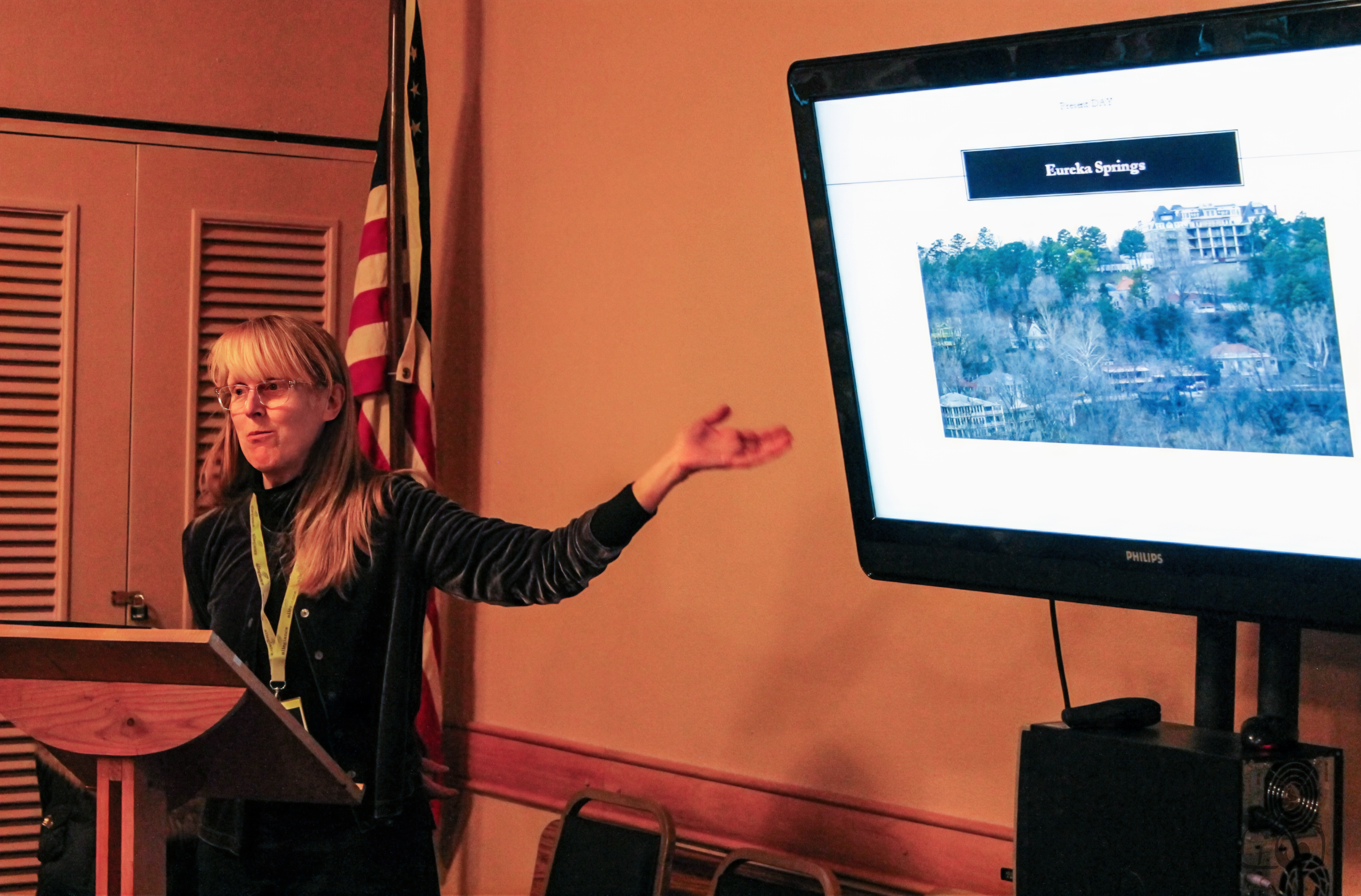
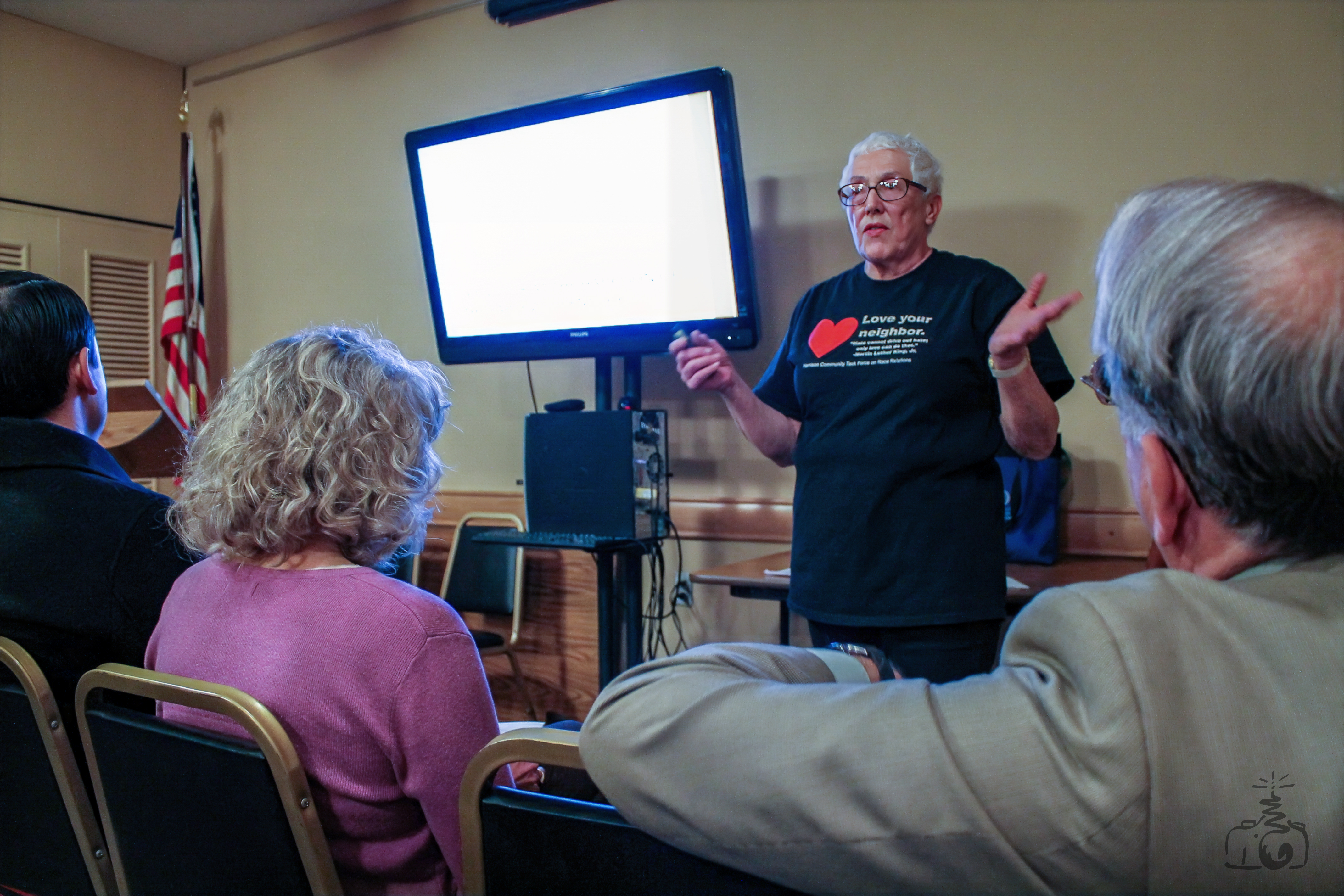
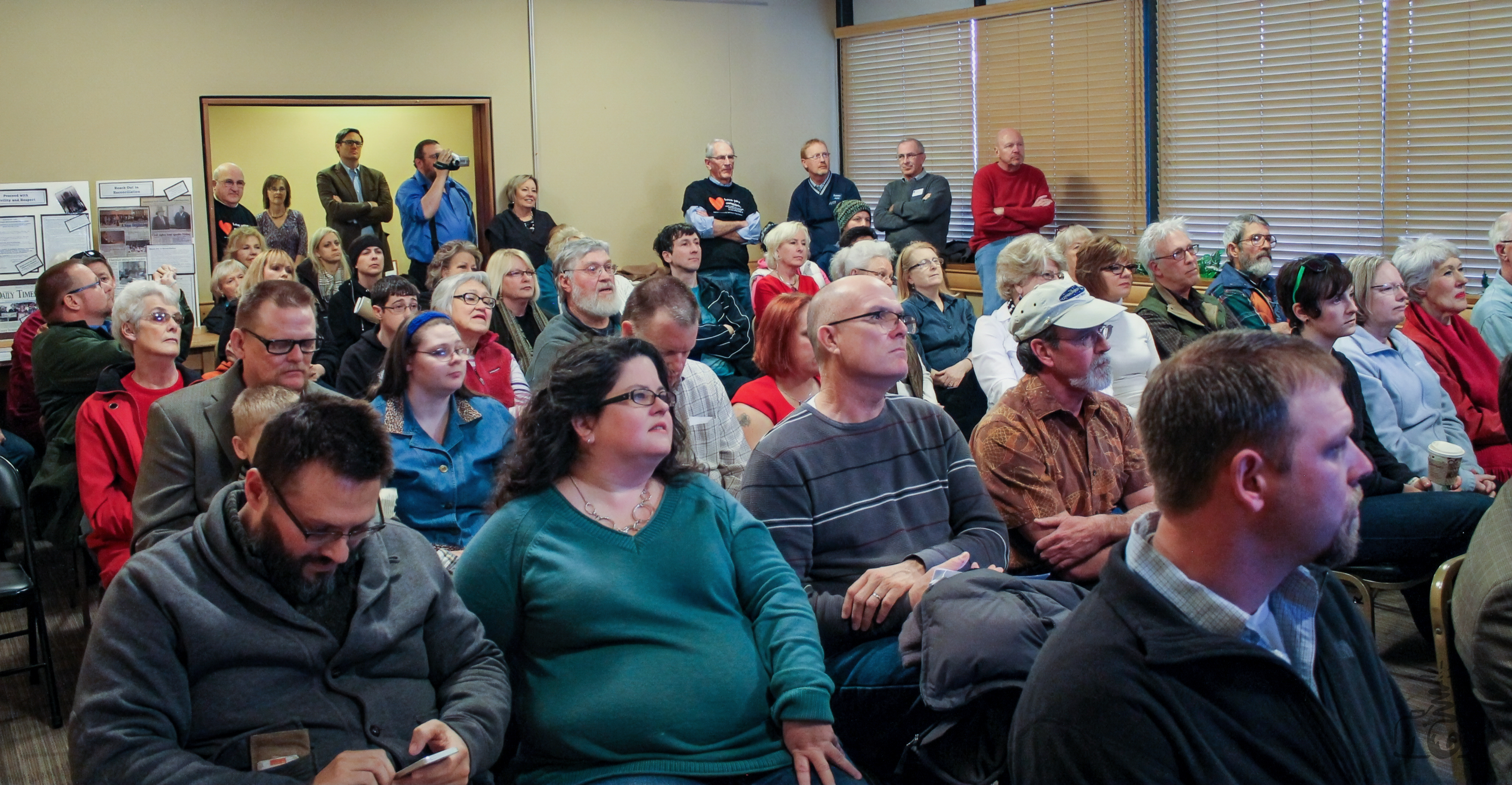
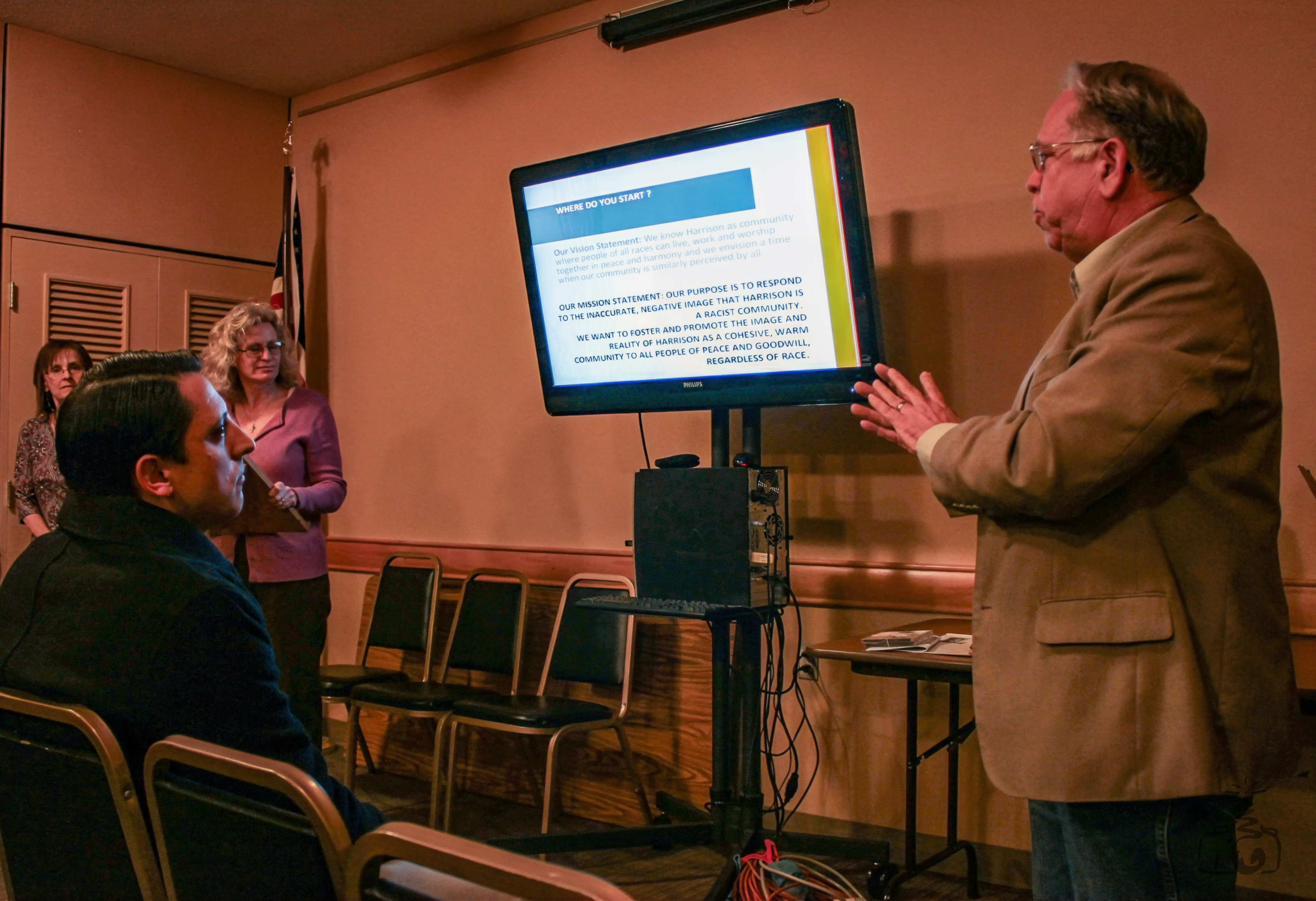
Carolyn is her mother-in-law, an elderly, well-respected pillar of the community. She and her husband, Gary Sr., are blueberry farmers, property owners, and active participants in local politics. Carolyn is also a founding member of a local non-profit—The Harrison Community Task Force on Race Relations—whose mission since 2003 has been to battle racism and correct the town’s racist image. I immediately begin attending their weekly meetings, hosted by the Harrison Regional Chamber of Commerce. (Click on image for full res.)

A year later, I’m chairing the organization. After completing a successful rebranding campaign and launching our social media platforms, our presence in and beyond the local area mushrooms, and I suddenly find myself at the nexus of a battle I never imagined I’d be in.


I turn off the TV and go outside to smoke a cigarette. On these hot, sticky nights, I’m an audience to a binaural chorus of nature—crickets, cicadas, frogs, birds, all manner of chirps and tweets. The fireflies add a bit of magic to the foggy darkness, flickering their yellow glow like briefly lit matches.

The Arkansas Ozarks have a wild allure uniquely its own, and despite its negative reputation, Harrison is home to one of my favorite places on the planet—The Buffalo River.

Protected and managed by the National Park Service since 1972, “The Buffalo” is America’s first national river, its headquarters near the Federal Building across from the old town square. In spring, I’d paddle the clear, frigid waters of the upper Buffalo in canoes and kayaks. During summer, I’d swim at Steel Creek and Erbie, jump from bluffs at Pruitt, float on inner tubes at Tyler Bend and Buffalo Point. When the seasons shifted again, fall would splatter the landscape with crimson and gold across the rugged bluff lines and river bends in that remote backcountry. In winter, I’d take advantage of the cooler temps and explore its slot canyons, secluded waterfalls, and caves.

During my exile in the Ozarks, the superintendent of the Buffalo National River was Kevin Cheri, a black man, whom I became acquainted with during our work together in the Task Force. Hailing from New Orleans, Kevin worked on the river and had been living in the Harrison area since the late 1970s. He married and started a family, one of the first mixed families in the area, and were faithful attendees of the local Catholic church. While the Harrison of 2013 was certainly different from the Harrison of the 1970s, and though listening to Kevin’s experience gave me hope, I still harbor doubts.

In the fall of 2013, a large yellow billboard gets erected near the Highway 65 bypass. Its bold black letters read:

Mayor of Harrison, Jeff Crockett (compliments of Harrison Daily Times)

This starts the infamous “Billboard Wars” which catches national media attention and put Harrison’s controversial mayor, Jeff Crockett, in the bullseye. He’s the perfect guy for it. A well-heeled real estate investor from Chicago with an attractive girlfriend half his age, Jeff is an outsider who has no shame wielding his influence. (Click on image for full res.)

A progressive Democrat during the age of President Obama, Jeff ran an expensive campaign and defeated the incumbent in a close race for the mayoral seat. Not only was he instrumental in turning Boone County wet in 2011, finally legalizing the sale and purchase of alcohol, Jeff is also determined to give Harrison a modern facelift. Partnering with the Chamber of Commerce, he starts an initiative to attract new businesses into town.

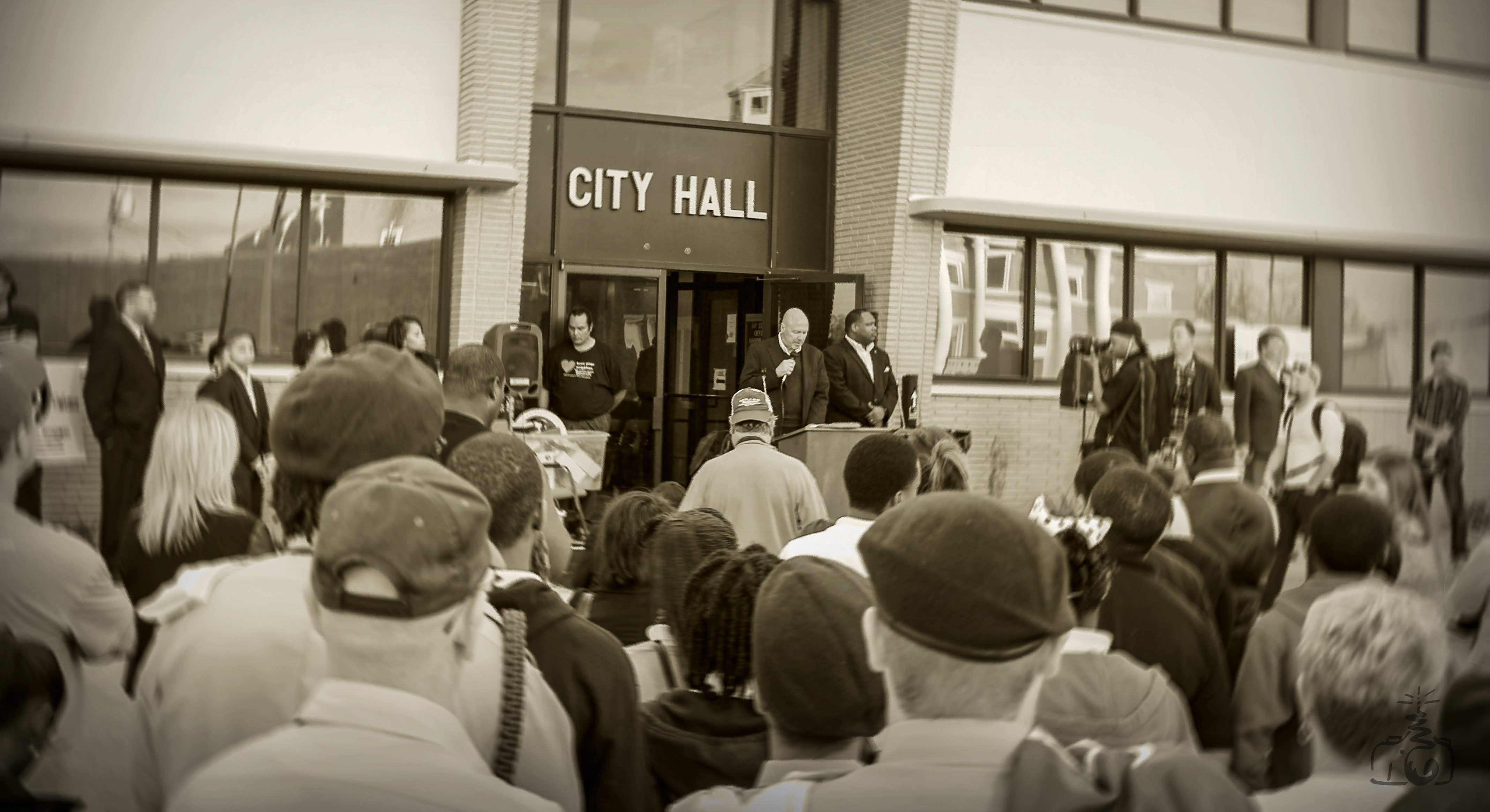
However, despite Jeff’s and the city council’s best efforts, Harrison’s poor reputation regarding racism continues to be a deterrent. Jeff reaches out to the Task Force on Race Relations for help, and I find myself in his office for several meetings with Task Force founders Carolyn, Layne, and Patty.

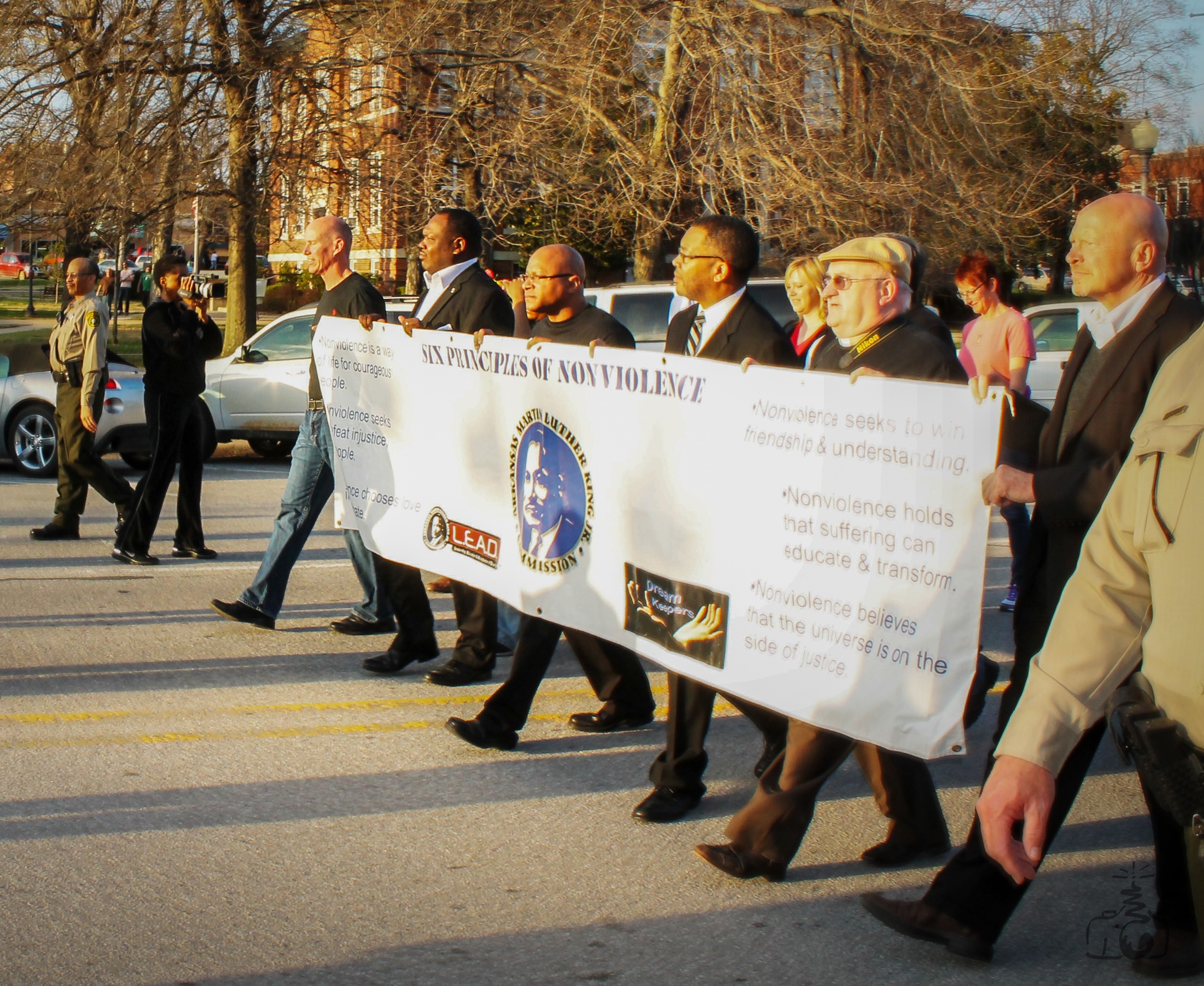
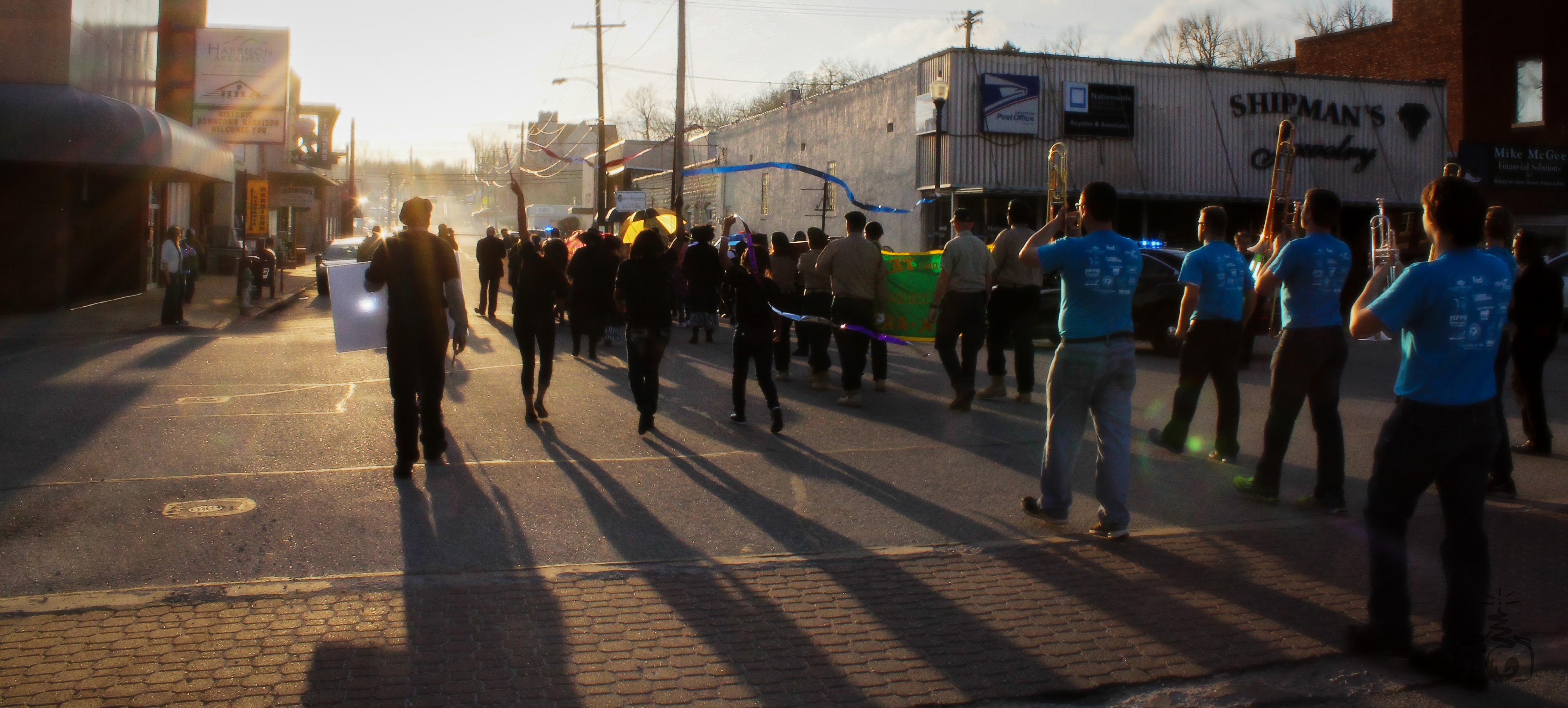
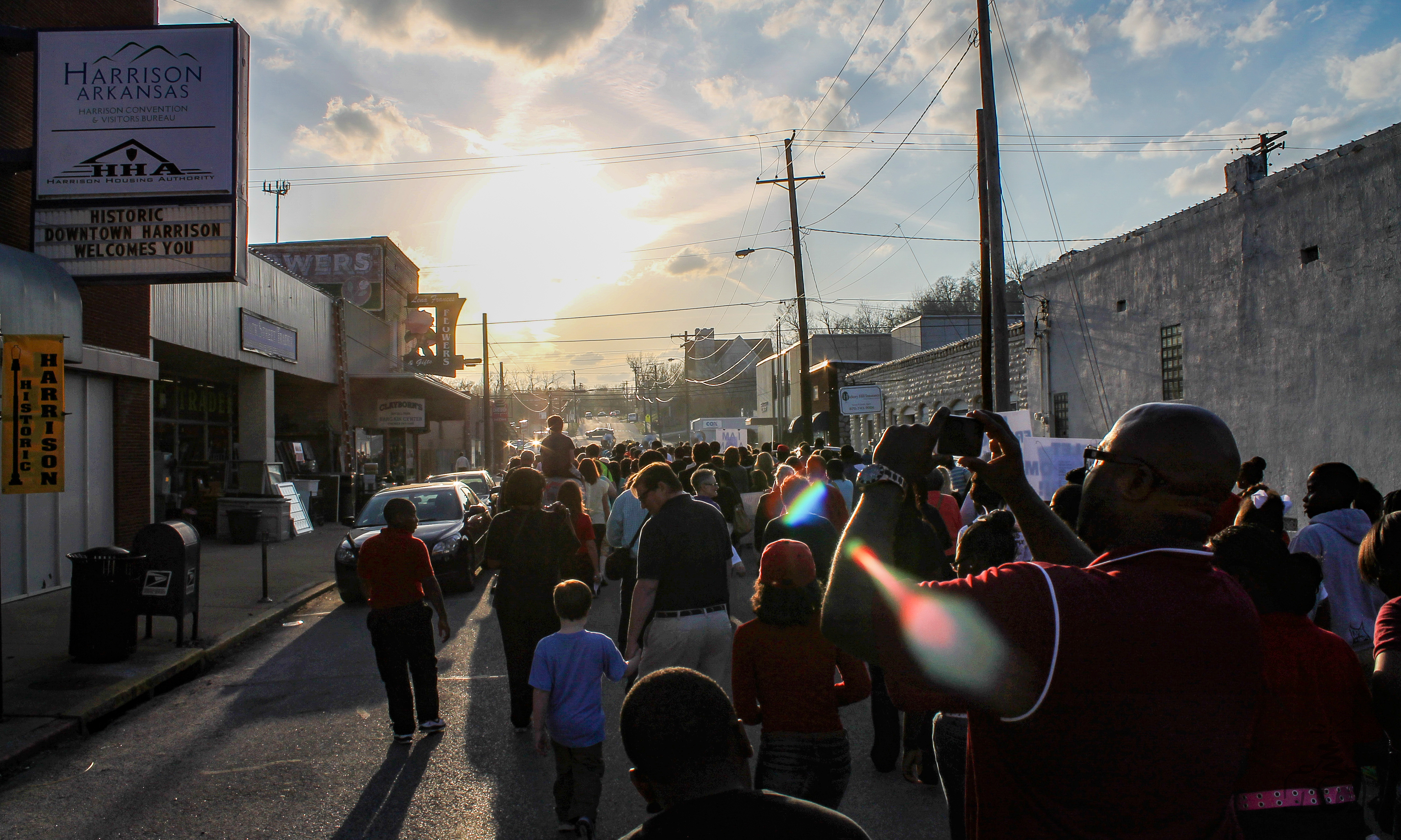
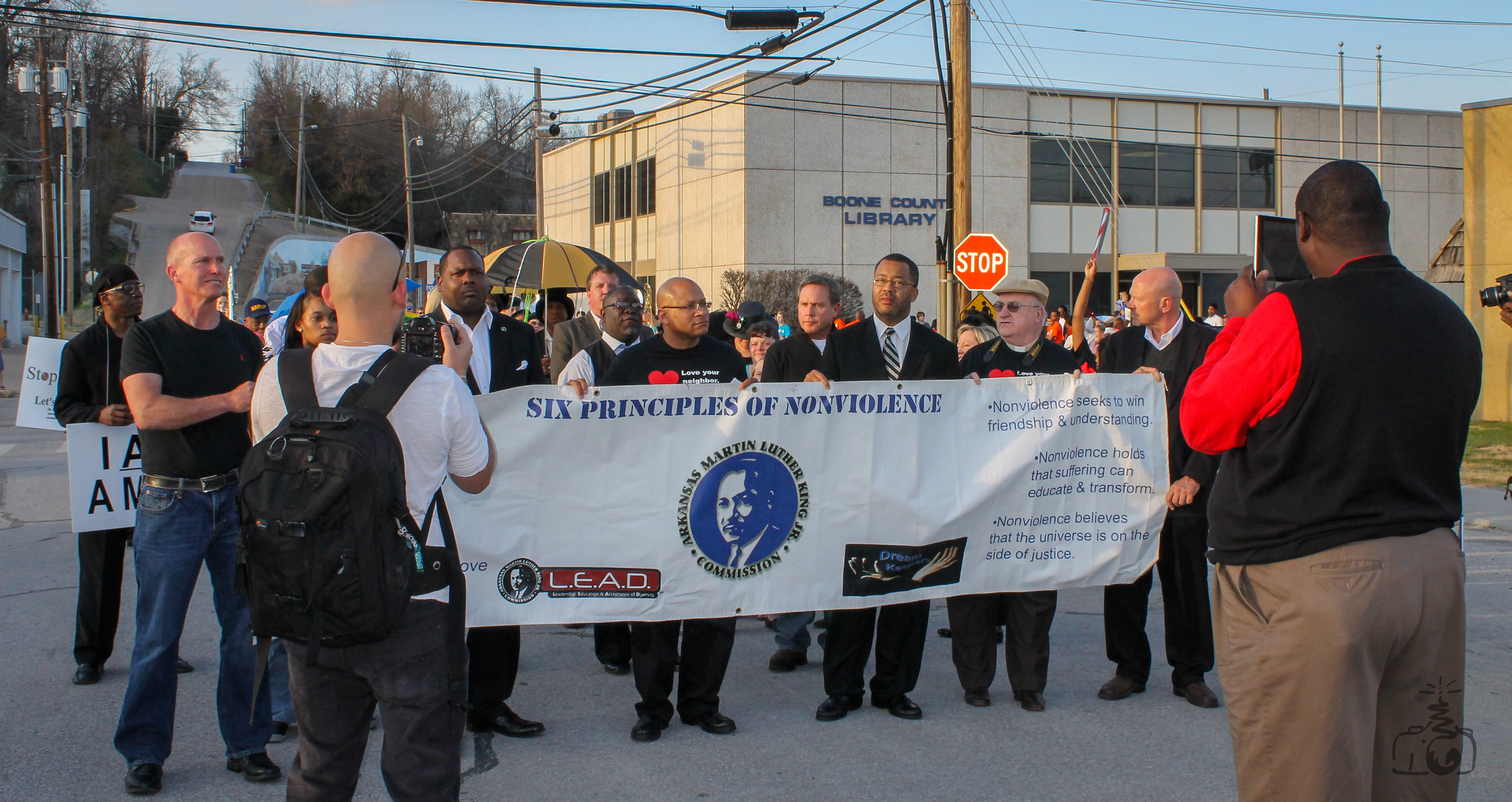
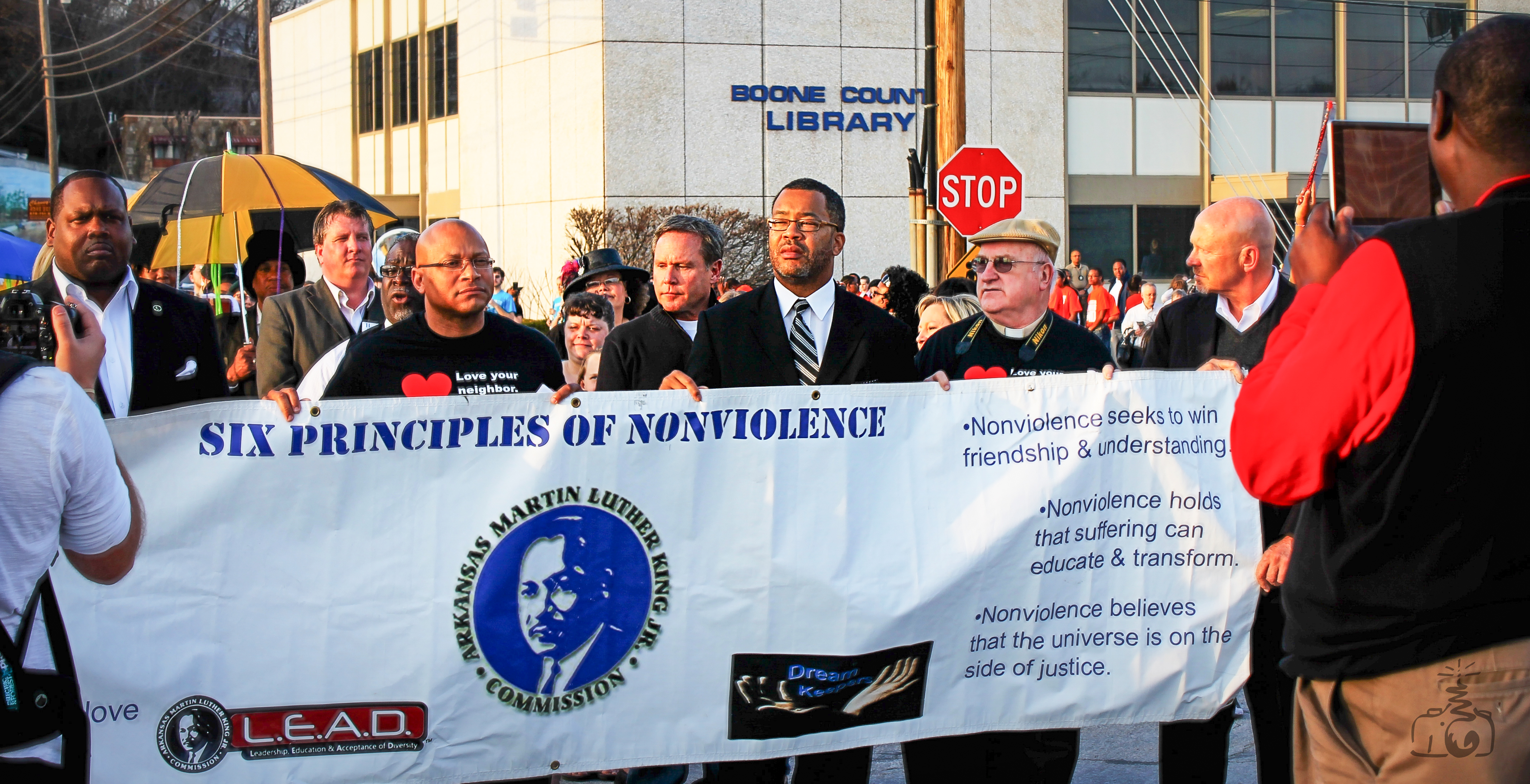
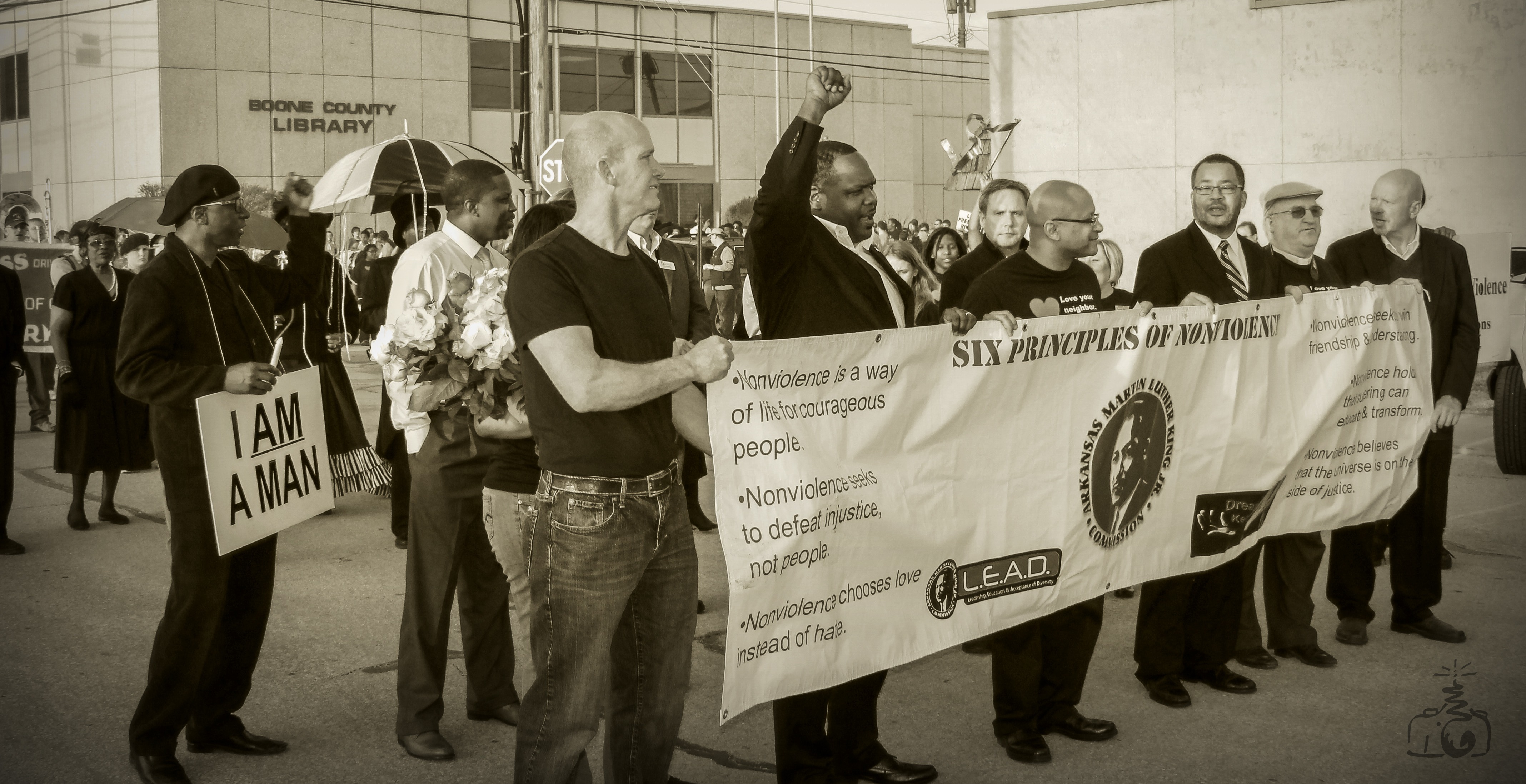
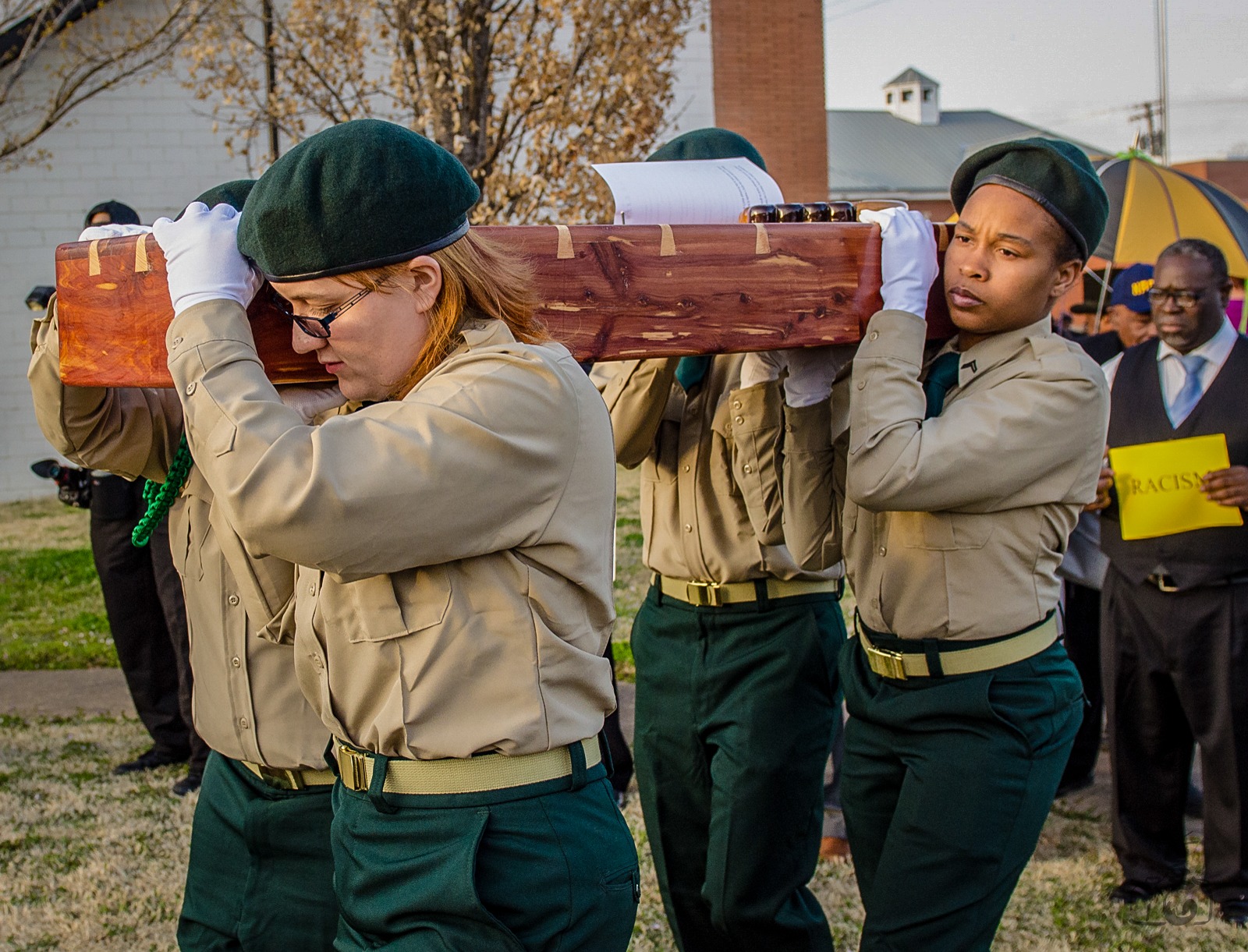
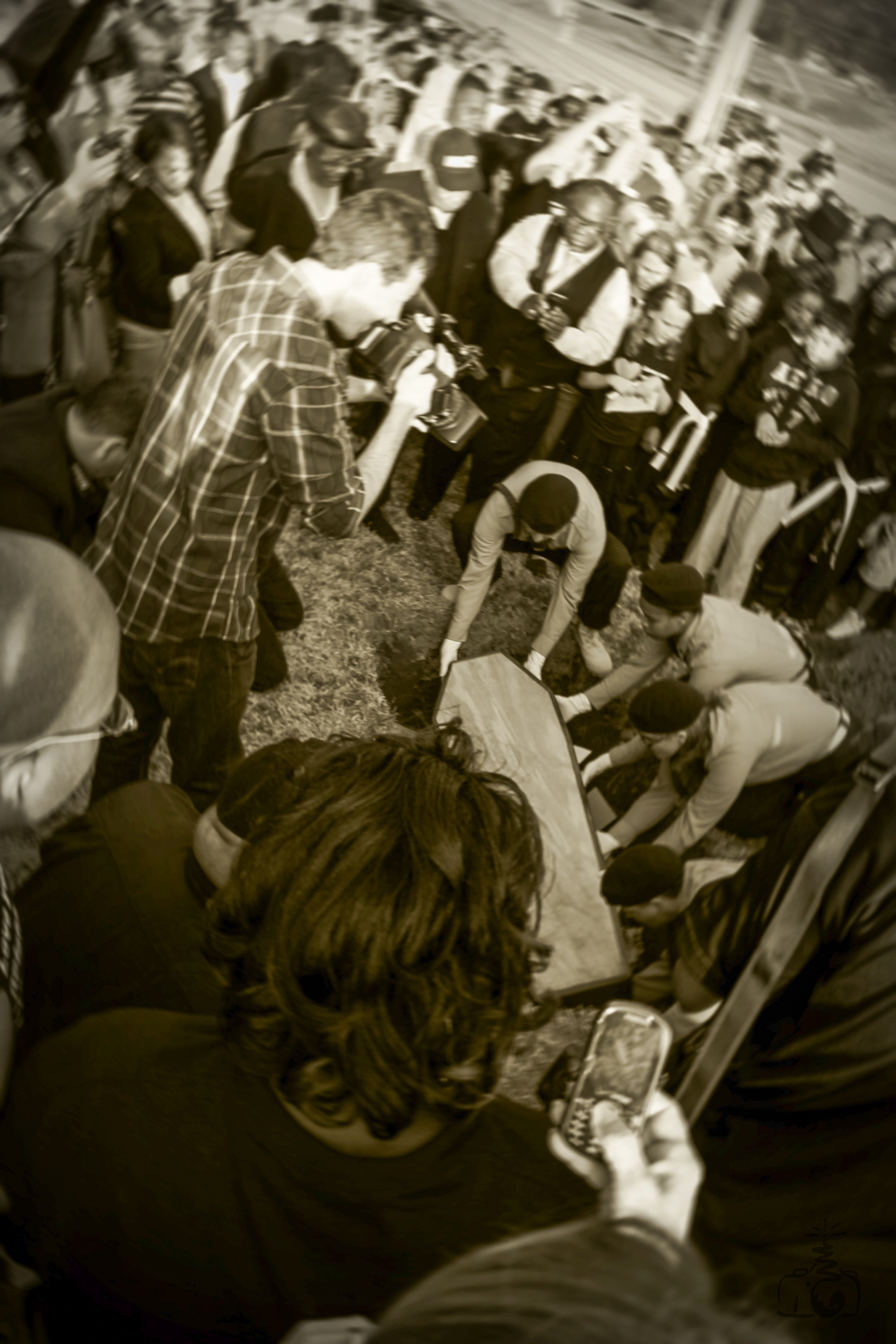
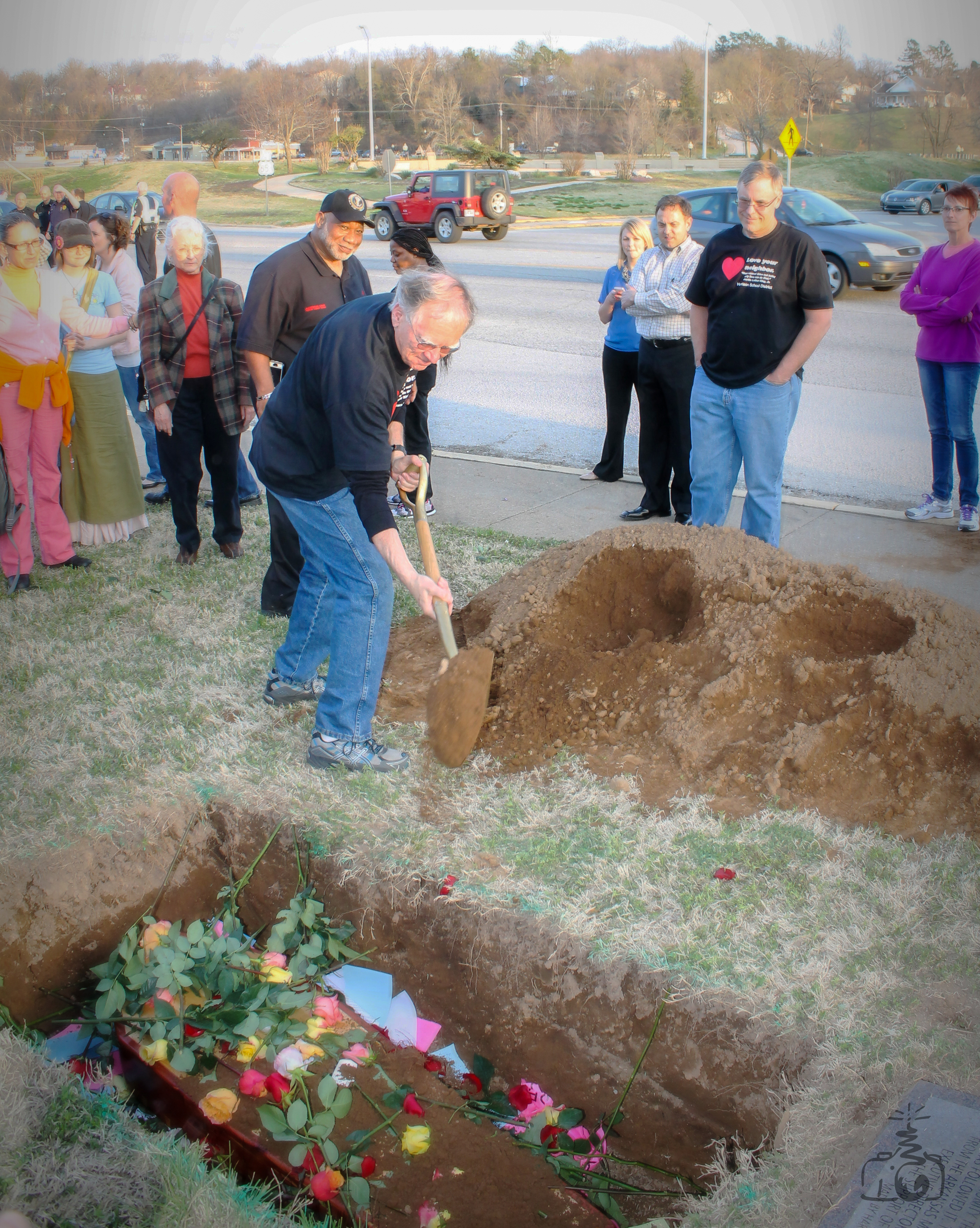
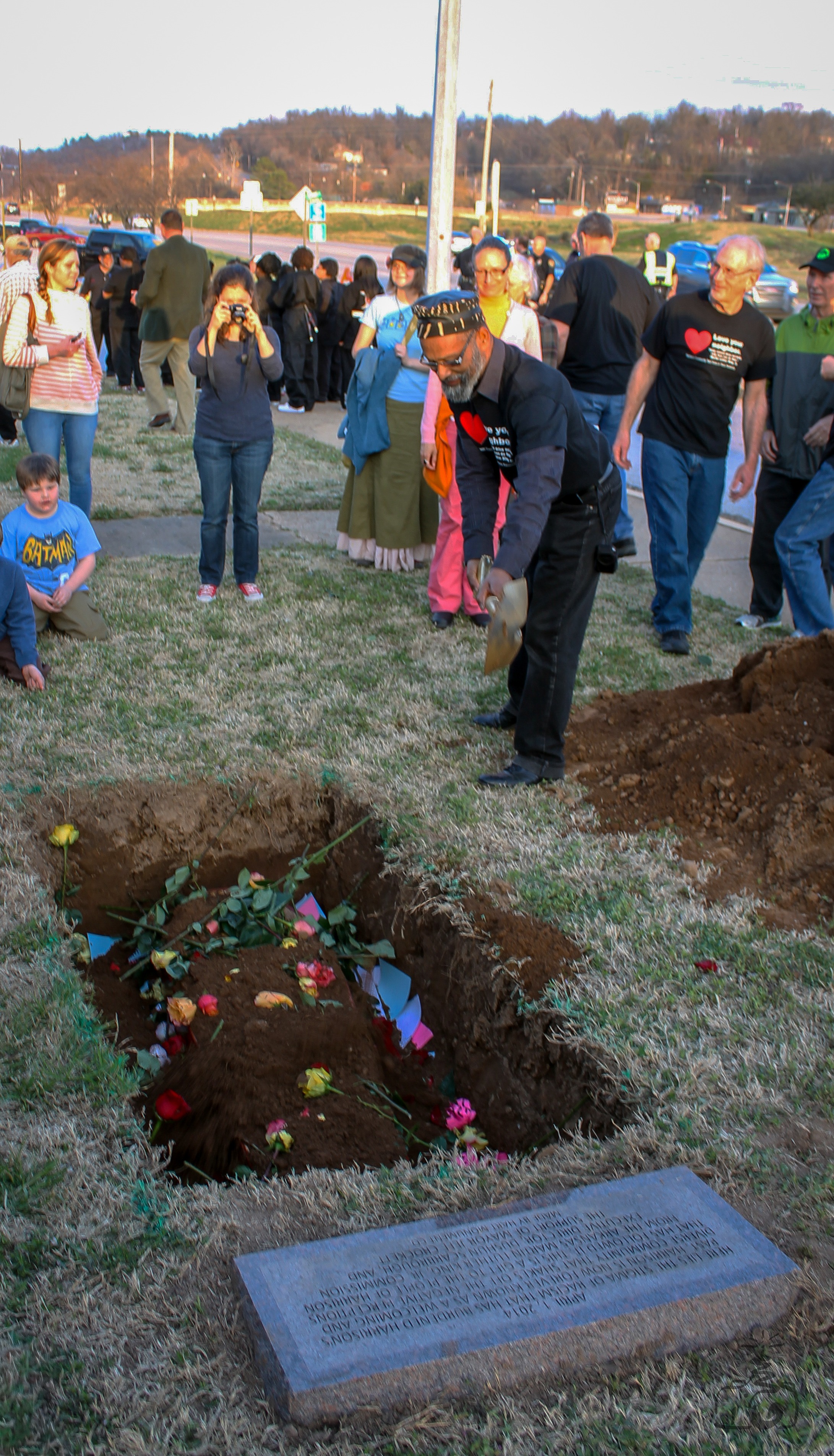
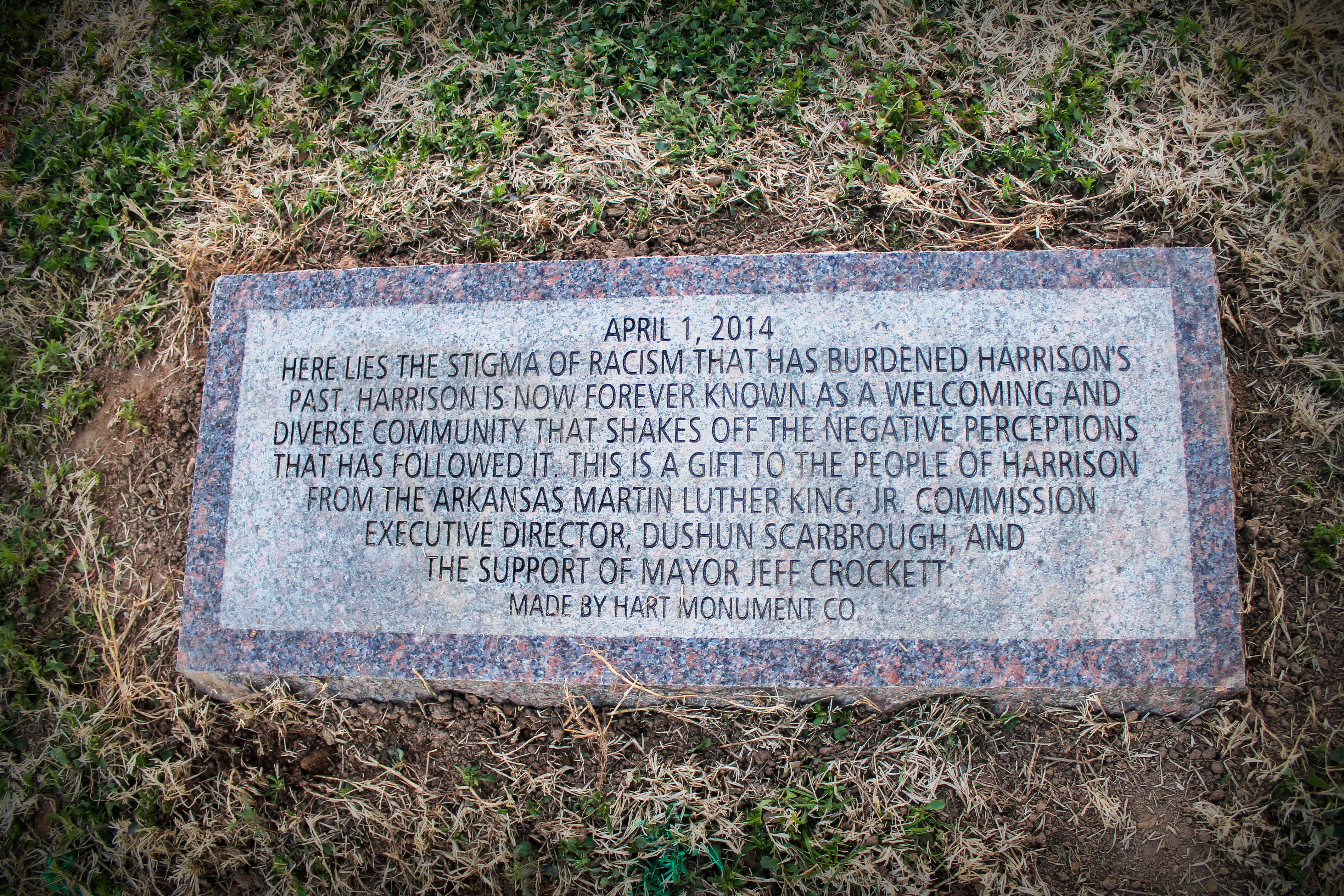
When the Task Force partners with the Arkansas Martin Luther King Jr. Commission, our fight in Harrison gets put in the spotlight. We partner with the commission to sponsor marches and demonstrations in town, as well as conferences at North Arkansas College. (Click on image for full res.)

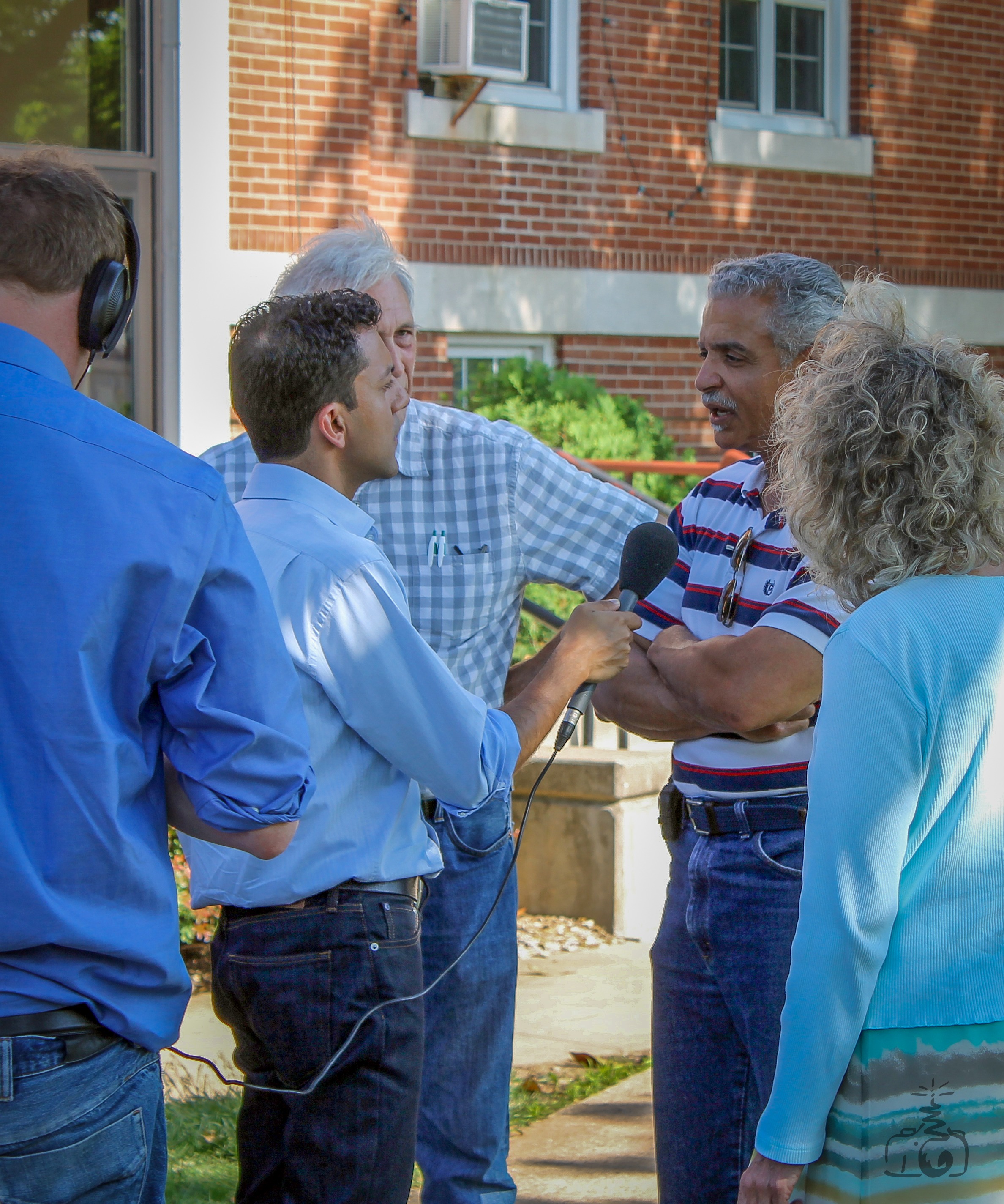
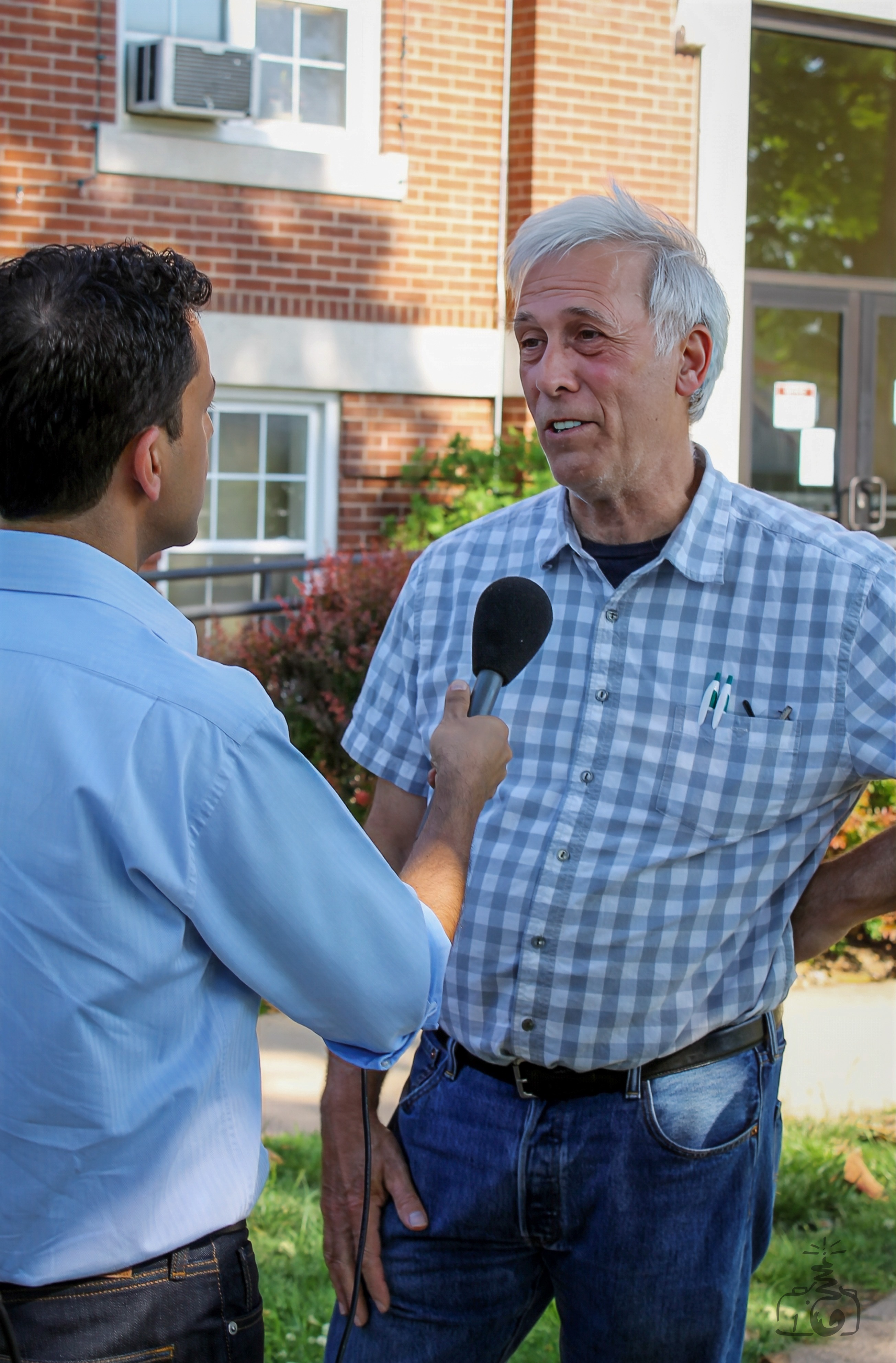
Next thing I know, I’m in front of the press, being questioned by local reporters with NPR from Fayetteville to KY3 News in Springfield, Missouri. 

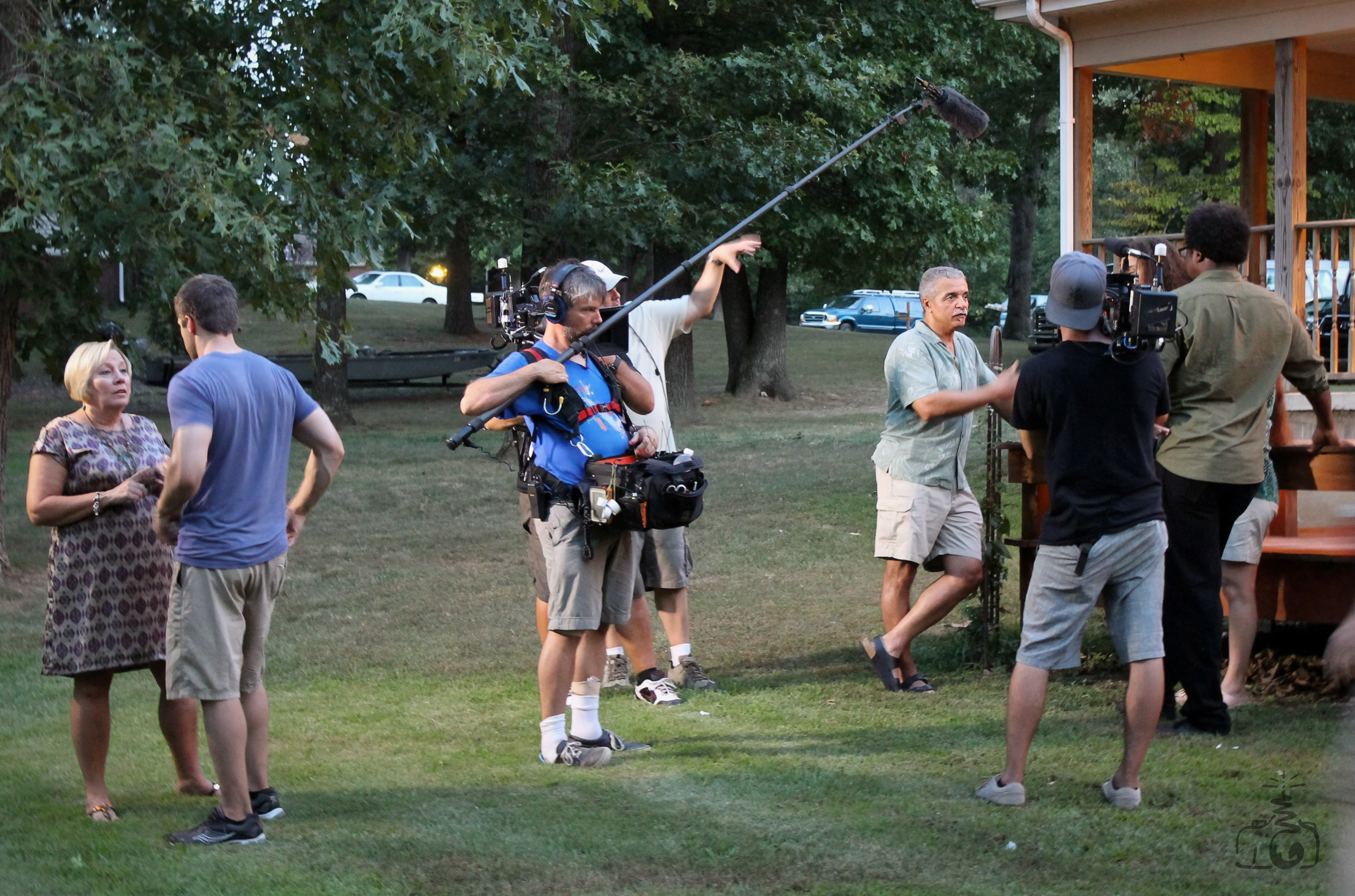
As the news goes viral, I get interviewed by Vice News, BBC, and CNN. This leads to being featured in a CNN-produced docuseries The United Shades of America—I’m in season one, episode one:

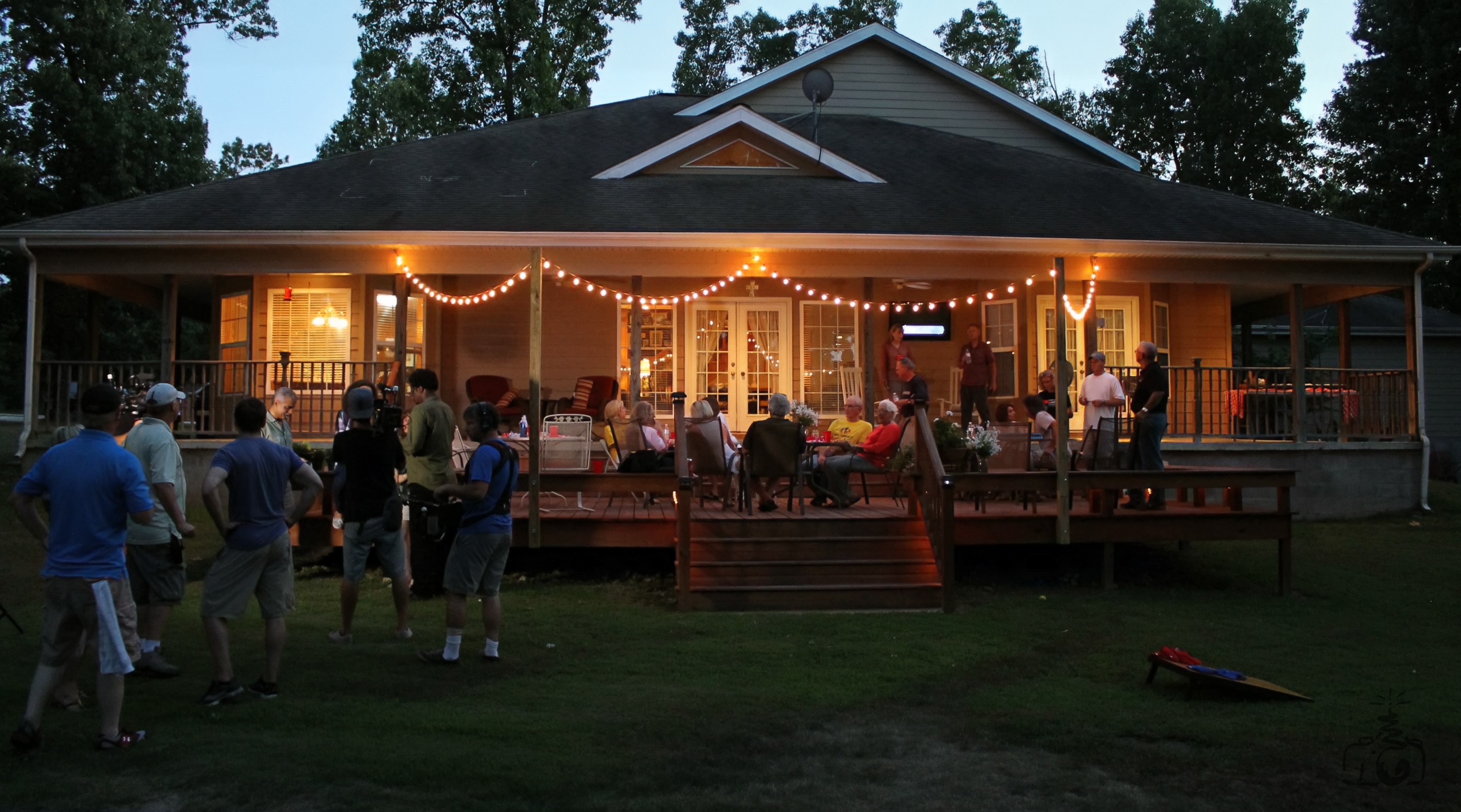
Here’s a few behind-the-scenes shots when the crew was filming a get-together at The Methvins. (Click on image for full res.)

While all the hoopla is exciting, it exposes me to some considerable threats. Peter Rugh’s Vice article “The KKK Embraces Diversity in Harrison, Arkansas” puts me in the crosshairs of the notorious Neo-Nazi Billy Roper. Billy has recently become protégé to preacher Thom Robb, the suited head honcho of the Knights of the Ku Klux Klan. 

Peter Rugh in Harrison, Arkansas

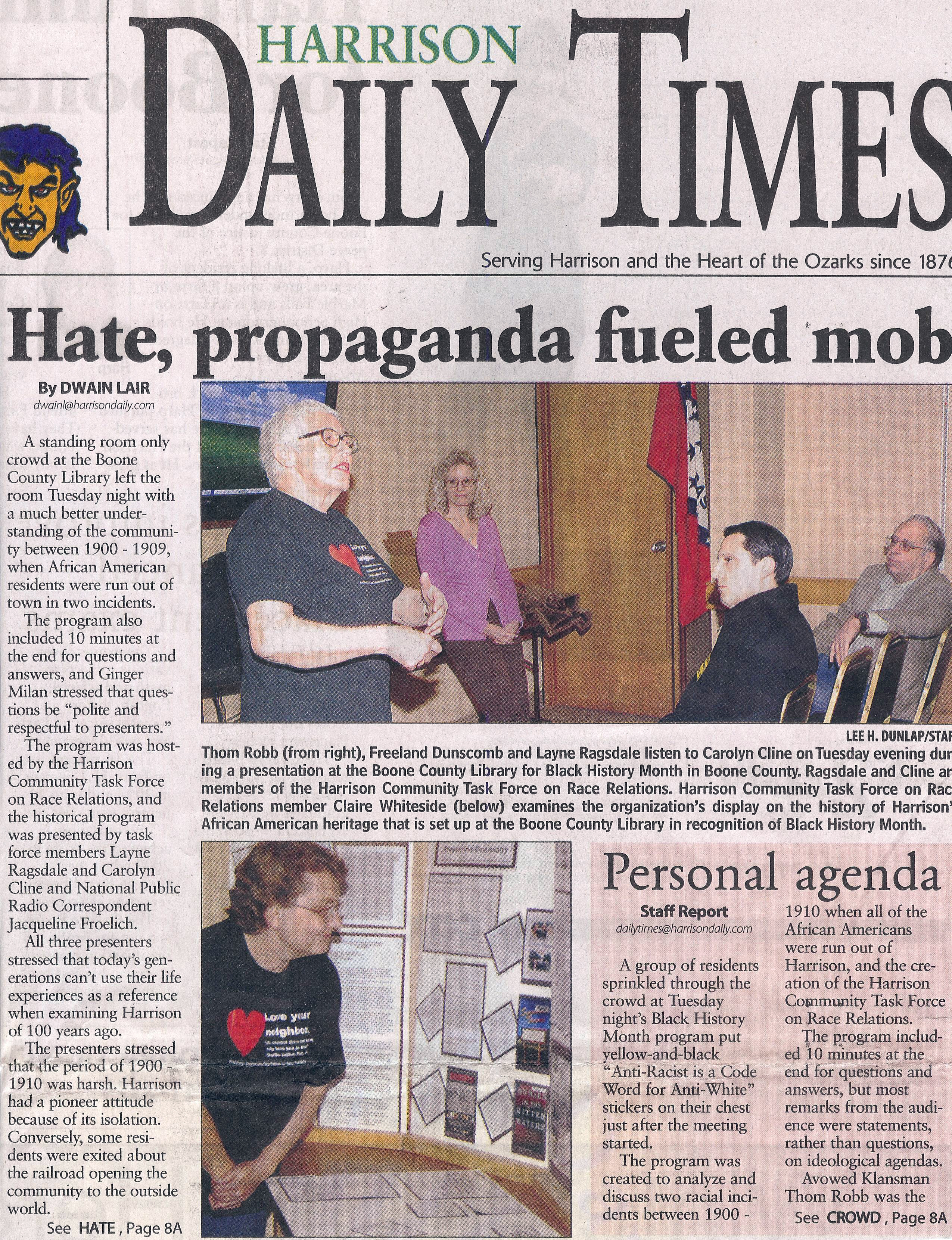
Although the Knights’ headquarters sit in the backwoods community of Zinc, 15 miles east of Harrison, Zinc has no post office, so the group uses that infamous Harrison PO box as its mailing address. But that is not the only sign of their presence in town. Thom Robb’s son, Jason, has a law office on the town square, where he handles local civil and family law cases and, more importantly, serves as national counsel for the Knights. Robb’s son-in-law, Freeland Dunscombe, owns a barber shop just off the square, where a Confederate flag flies from a tall pole at the entrance.

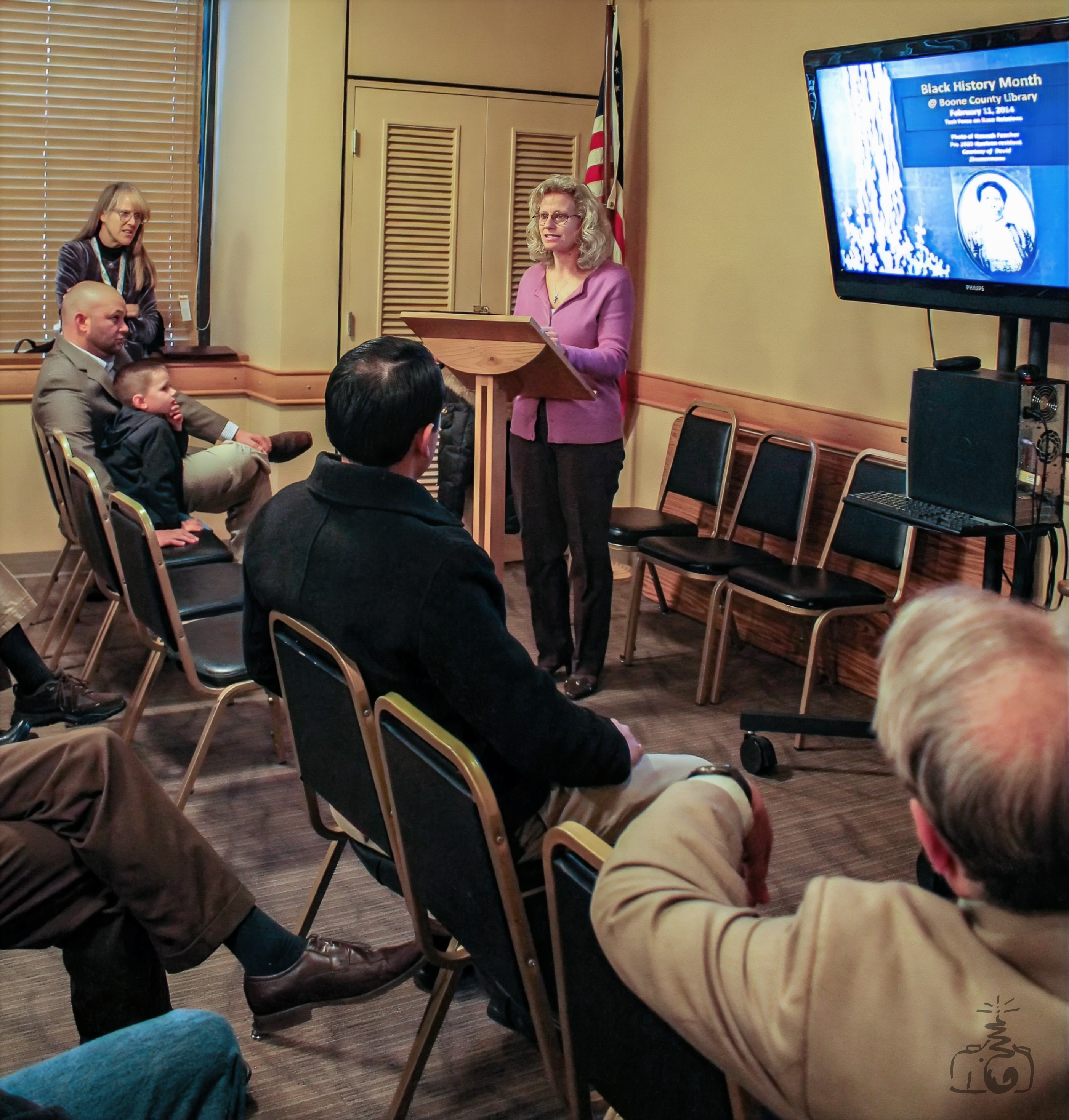
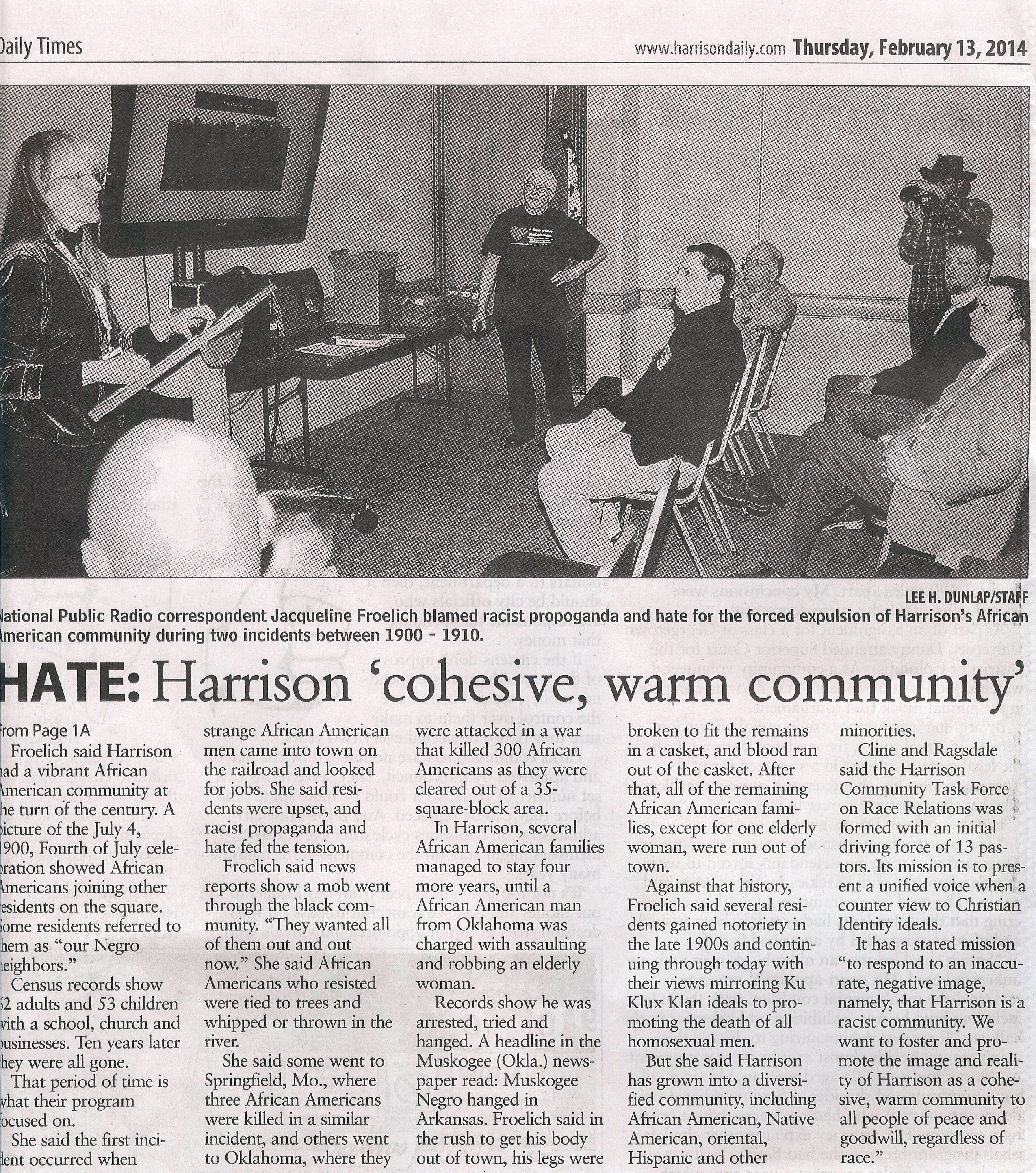
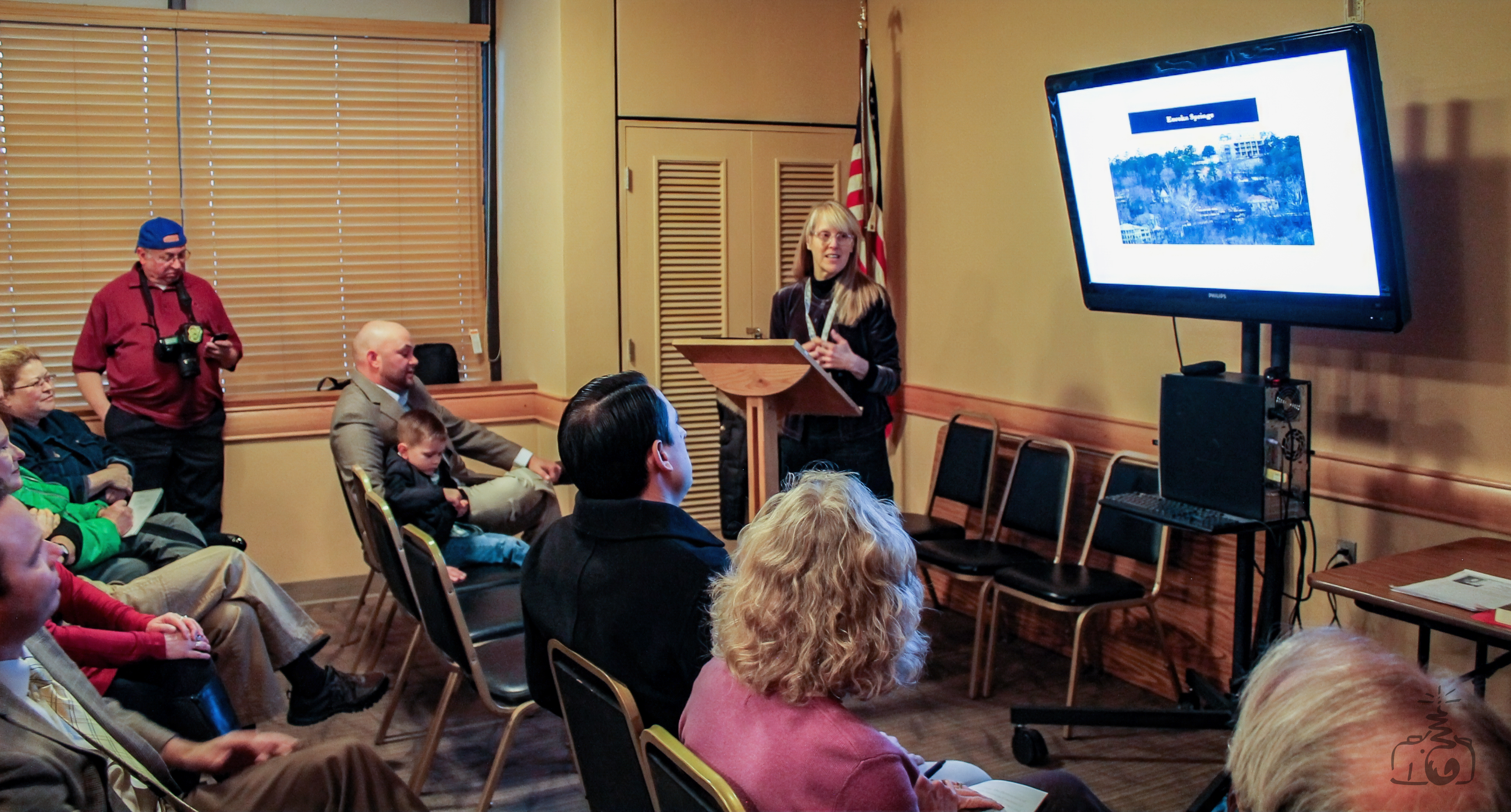
At community events, I can usually spot Robb, members of his family, or his followers. In February 2014, they attend a Black History Month presentation sponsored by the Task Force at the Boone County Library. Jacqueline Froelich from NPR attends and gives a lecture. During Layne’s lecture, Robb stands up, grabs the microphone, and begins arguing with her while she stands aghast behind the podium. The tension in the room feels like a bomb about to go off. Fortunately, the arrival of a couple uniformed police officers in the parking lot keeps the situation from exploding, and everyone returns home safely. (Click on image for full res.)
After Billy Roper writes about me on Stormfront, the internet’s premier hate group site, I get doxxed. So does my immediate family, from Texas to California. My mother and several people in the Task Force are targeted with hate propaganda thrown on their doorsteps and front lawns:

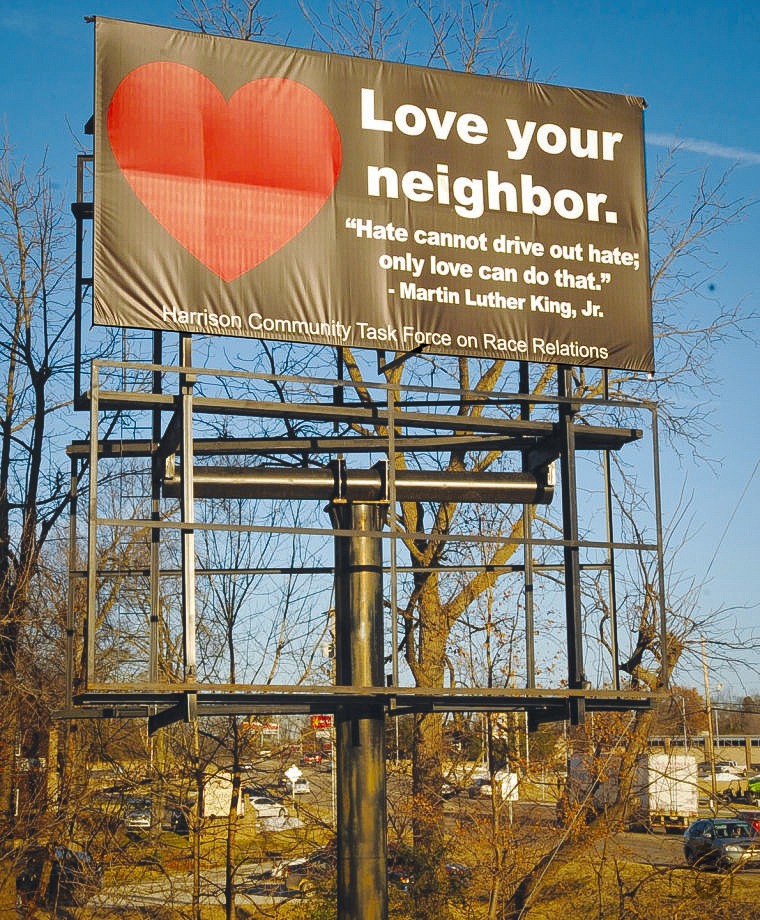
It doesn’t help that I design and finance a big black digital billboard with bold yellow letters that read:

The never-ending war with racism eventually becomes one of several motivations to escape the Ozarks. Other than my mother and her fourth husband Gary, and the ghost of my dead sister haunting my sleep, I have no ties to Harrison, nothing anchoring me there. At the time of Caleb’s text message, I had been there only a few months.

I had moved to Arkansas in the hopes of putting together the broken pieces of my life and after about two years, my plan is to hit the road to northwest Montana and get into adventures with my Australian shepherd Ollie, indefinitely, in perpetuity—my own Zen and the Art of Tacoma Maintenance.

Then I meet Chelsea.

Leave a Reply

Verified by MonsterInsights